


Retaining Wall Construction Tips for Commercial Contractors
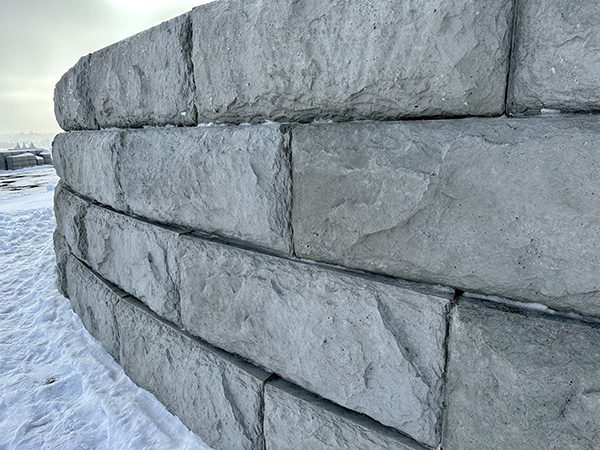
When it comes to commercial site development, few structural elements are as important as retaining walls. From managing elevation changes to improving drainage and maximizing usable space, retaining wall construction plays a critical role in the long-term performance and appearance of commercial properties.
Careful planning and execution can make the difference between a retaining wall that lasts for decades and one that requires costly repairs. Here are several key retaining wall construction tips commercial contractors should keep in mind throughout the process.
Start with Proper Site Evaluation
Every successful retaining wall project begins with a thorough understanding of the site conditions. Soil composition, slope stability, and drainage patterns all impact wall design and performance. Commercial contractors should work closely with engineers early in the planning phase to evaluate:
- Soil bearing capacity
- Load requirements
- Frost depth and climate considerations
- Existing utilities and infrastructure
Skipping or rushing this stage can lead to settlement issues, wall movement, or drainage failures later on.
Plan for Reinforcement and Load Requirements
Commercial retaining wall construction often involves additional loads from parking lots, roadways, buildings, or pedestrian traffic. Understanding surcharge loads and reinforcement requirements is critical. Proper engineering ensures the retaining walls can safely withstand both environmental and structural stresses over time.
Consider Long-Term Maintenance
Commercial property owners value retaining walls that are designed for durability and low maintenance. Selecting high-quality materials and incorporating proper construction techniques can significantly reduce future maintenance costs. Thinking beyond installation helps contractors deliver added value to clients and owners.
Coordinate with Other Site Elements
Retaining walls rarely exist in isolation. They often interact with landscaping, hardscapes, sidewalks, utilities, lighting, and stormwater systems.
Coordinating retaining wall construction with other site trades helps avoid conflicts, delays, and costly redesigns during installation. Early collaboration between contractors, architects, engineers, and landscape designers can streamline project execution and improve final results.
Build Retaining Walls for Performance and Appearance
In commercial environments, retaining walls serve both functional and aesthetic purposes. A well-constructed wall not only manages grades and supports infrastructure but also contributes to the overall visual quality of the site. By focusing on proper planning, drainage, reinforcement, material selection, and installation practices, commercial contractors can deliver retaining wall construction projects that stand the test of time while enhancing the surrounding environment.